Skip to content

The Top 10 Largest Islands in the World by Area

This list ranks the ten largest islands in the world by land area in square kilometres, using the 2021 CIA World Factbook figures. The biggest island is more than ten times the size of number 10, Ellesmere Island, which covers 196,236 square kilometres. Only one island on the list is bigger than 800,000 square kilometres, and it is far ahead of the rest.

Satellite view of glaciers, snowfields and rust-brown mountains on Ellesmere Island, Canada, with a fjord at lower right
Image: NASA/METI/AIST/Japan Space Systems, and U.S./Japan ASTER Science Team / Wikimedia Commons, Public domain

How This List Is Ranked

Islands in this ranking are ordered by land area in square kilometres, using the compiled ranking based on the 2021 CIA World Factbook edition. An island is land surrounded by water; continents are not counted as islands because of their size.

Australia is classified as a continent, not an island, and is more than three times the size of Greenland. That distinction keeps the ranking focused on islands rather than the largest land masses overall.

10. Ellesmere Island

196,236 square kilometres Area
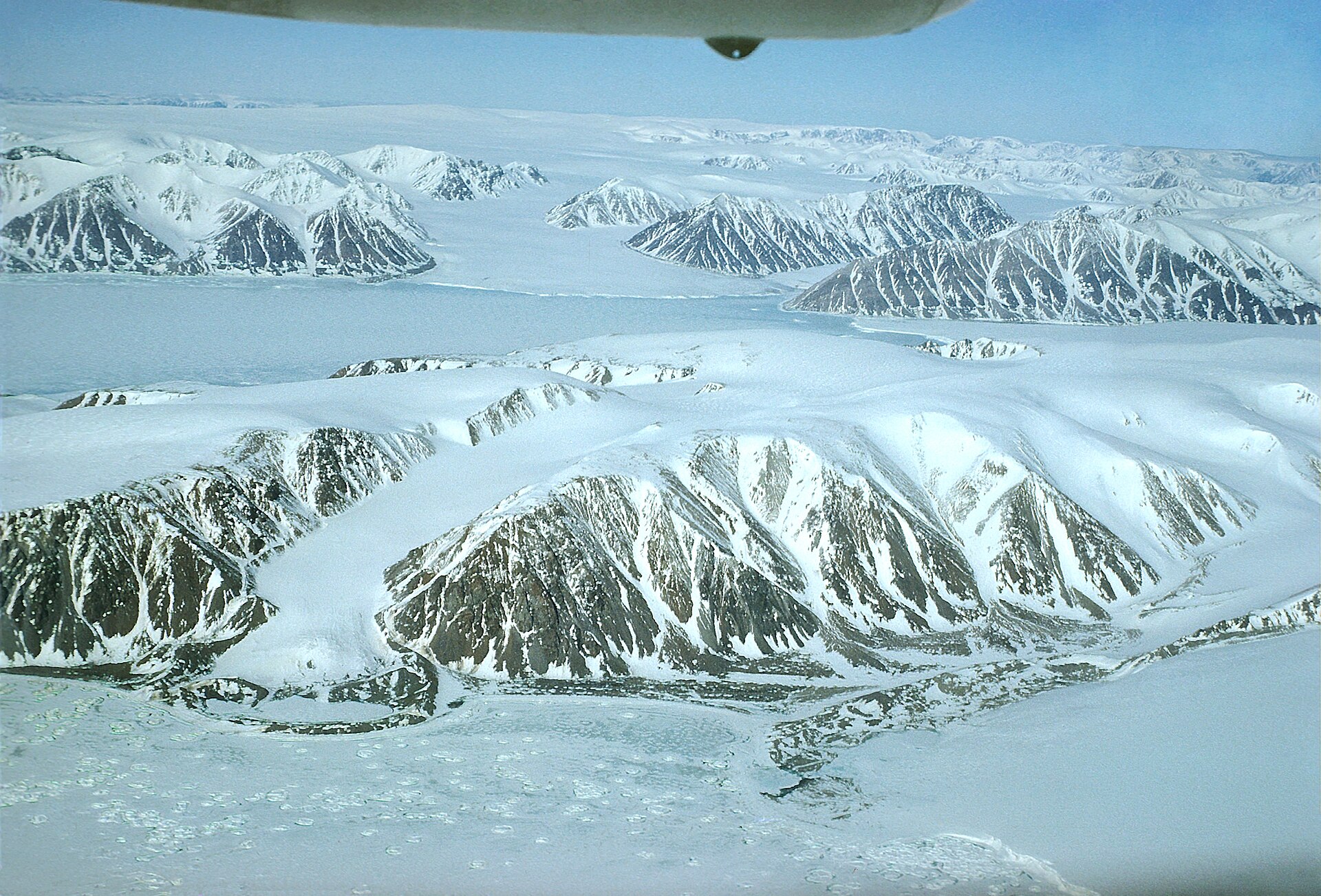
Aerial view of snow-covered mountains and glaciers meeting frozen sea ice on southeastern Ellesmere Island, seen past a
Ellesmere Island. Photo: Matti&Keti Lorenz.King@geogr.uni-giessen.de / Wikimedia Commons, CC BY-SA 4.0
Notable fact
The most heavily glaciated part of the Canadian Arctic Archipelago

Ellesmere Island has 196,236 square kilometres of land, placing it tenth in this area ranking. Its standout landscape fact is that it is the most heavily glaciated part of the Canadian Arctic Archipelago. In other words, glacier cover is especially prominent there compared with the rest of the archipelago. Its area and glaciation are the two details that define its place in this list.

9. Great Britain

209,331 square kilometres Area
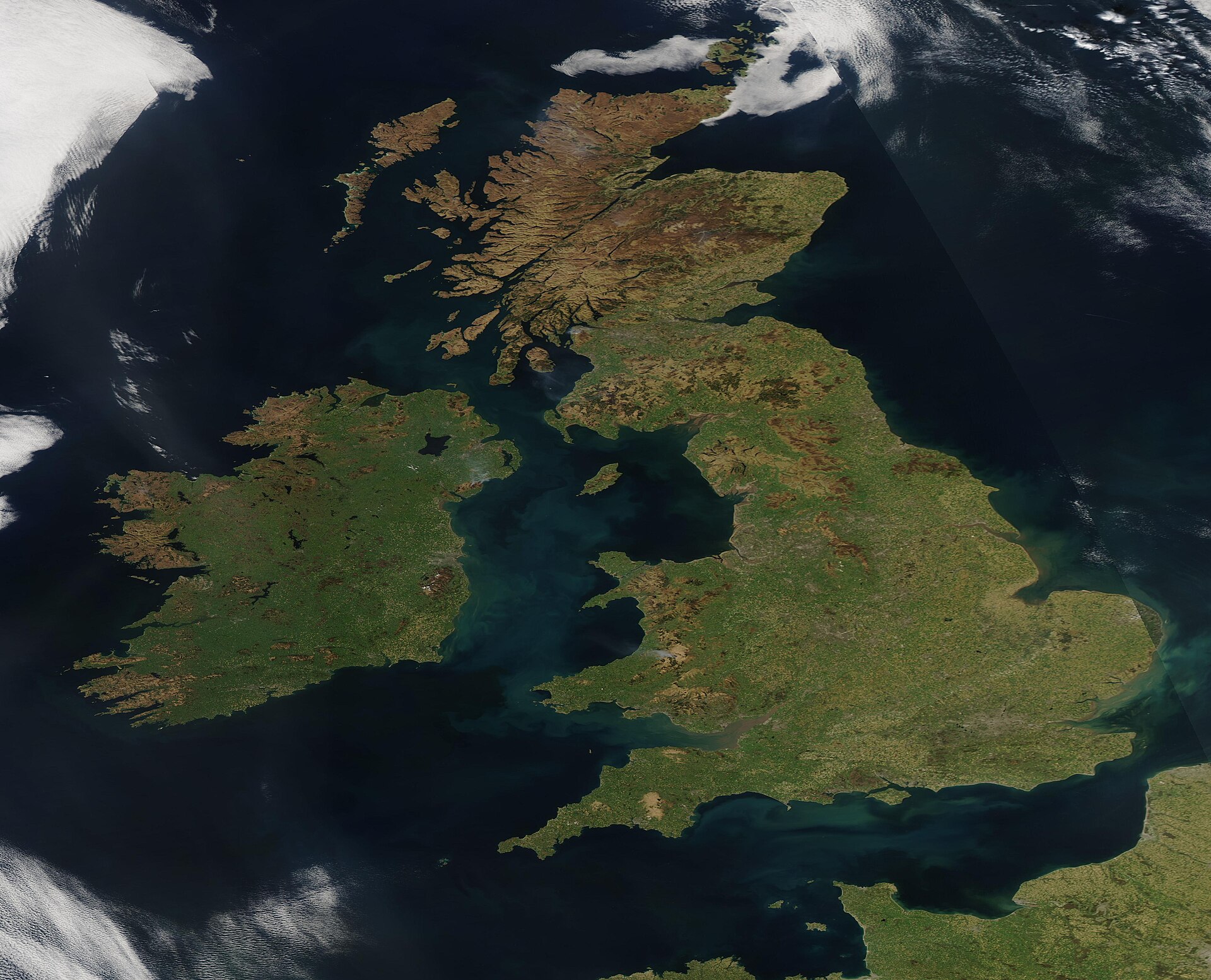
Satellite view of Great Britain and Ireland from space, showing Scotland, England and Wales surrounded by dark sea and some
Great Britain. Photo: MODIS Land Rapid Response Team, NASA GSFC / Wikimedia Commons, Public domain
Notable fact
It comprises England, Scotland and Wales, but not Northern Ireland

Great Britain ranks ninth, with an area of 209,331 square kilometres. The name refers to the island comprising England, Scotland and Wales, but not Northern Ireland. Its area is smaller than Victoria Island's 217,291 square kilometres and larger than Ellesmere Island's 196,236 square kilometres, placing it between them in the countdown.

8. Victoria Island

217,291 square kilometres Area
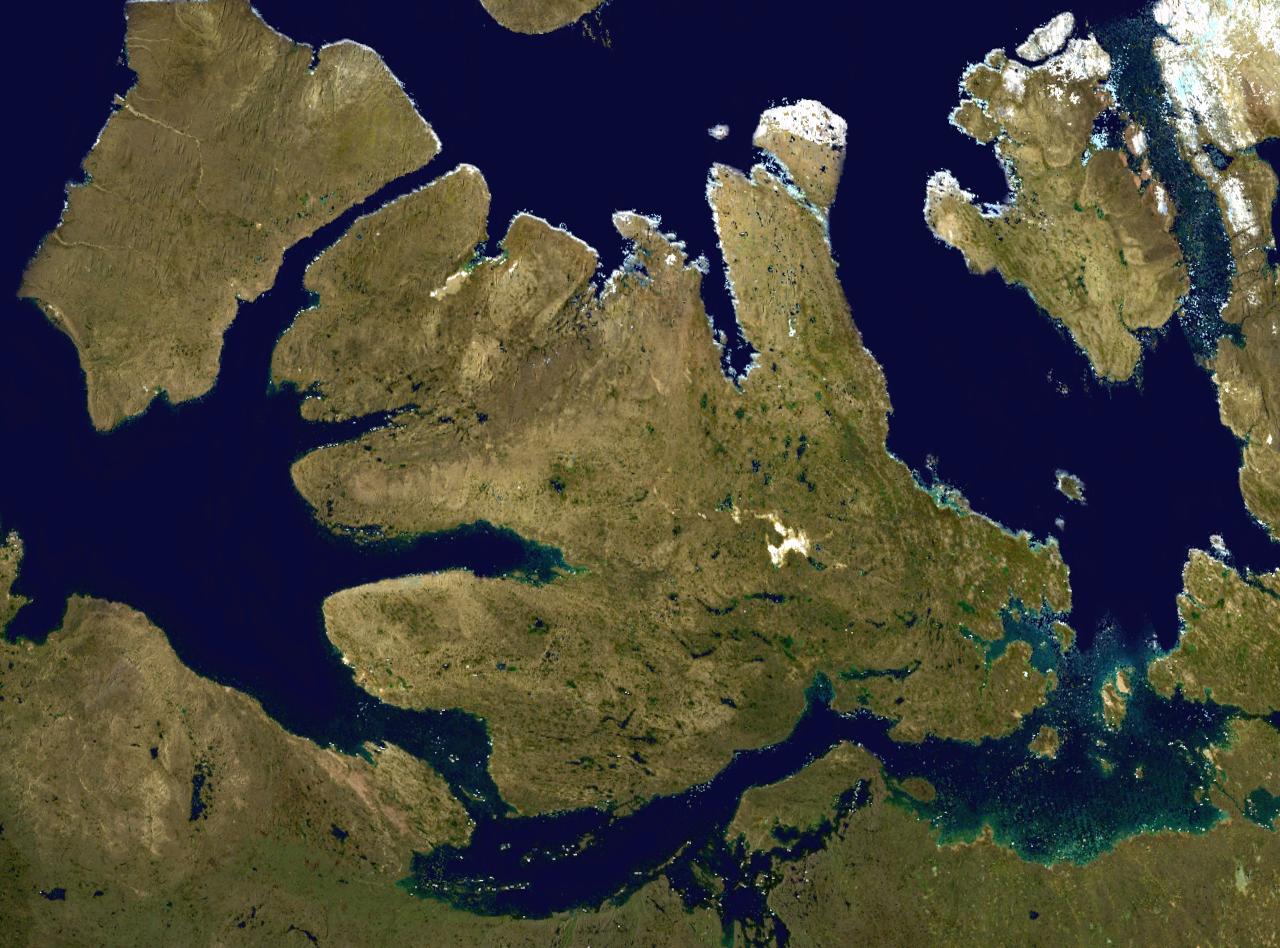
Satellite view of Victoria Island in the Canadian Arctic, with its irregular coastline, inlets and surrounding dark water
Victoria Island. Photo: Wikimedia Commons, Public domain
Notable fact
It spans the Northwest Territories and Nunavut

Victoria Island covers 217,291 square kilometres, making it the eighth-largest island in this ranking. Its location crosses a territorial boundary: the island spans both Canada’s Northwest Territories and Nunavut. The area gives its position among the ten, while the boundary detail shows that the island does not sit wholly within just one of those territories.

7. Honshu

227,963 square kilometres Area
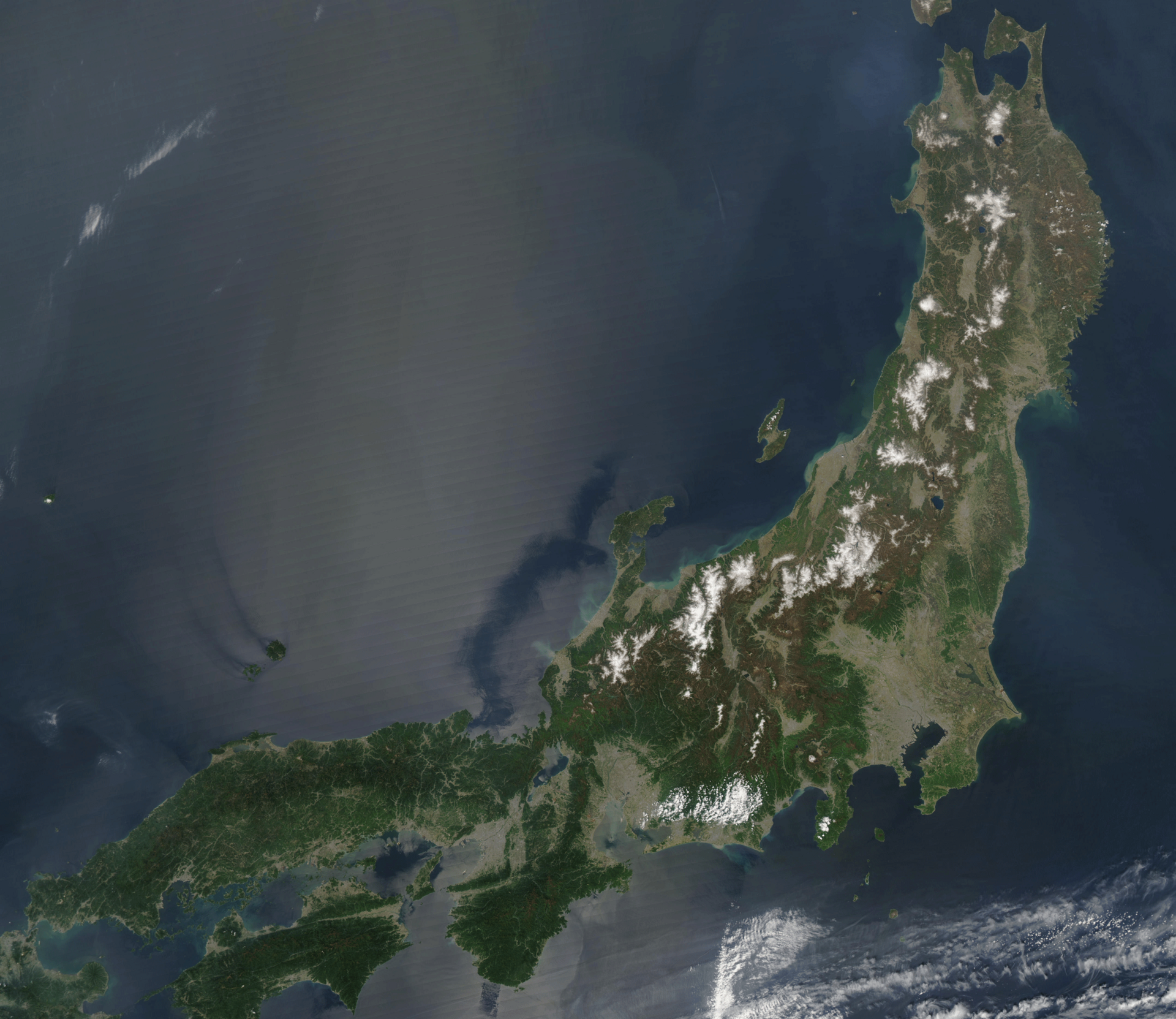
Satellite view of Honshu, Japan, showing green mountains with snow-capped peaks, Tokyo Bay and the surrounding sea.
Honshu. Photo: Jeff Schmaltz, MODIS Rapid Response Team, NASA/GSFC / Wikimedia Commons, Public domain
Notable fact
Japan’s largest island

Honshu is Japan’s largest island and ranks seventh in the global list, with 227,963 square kilometres. Its area is nearly 228,000 square kilometres, putting it just above Victoria Island in this ranking. The list measures the island itself, while the national-size distinction identifies Honshu as the largest island within Japan.

6. Sumatra

472,784 square kilometres Area
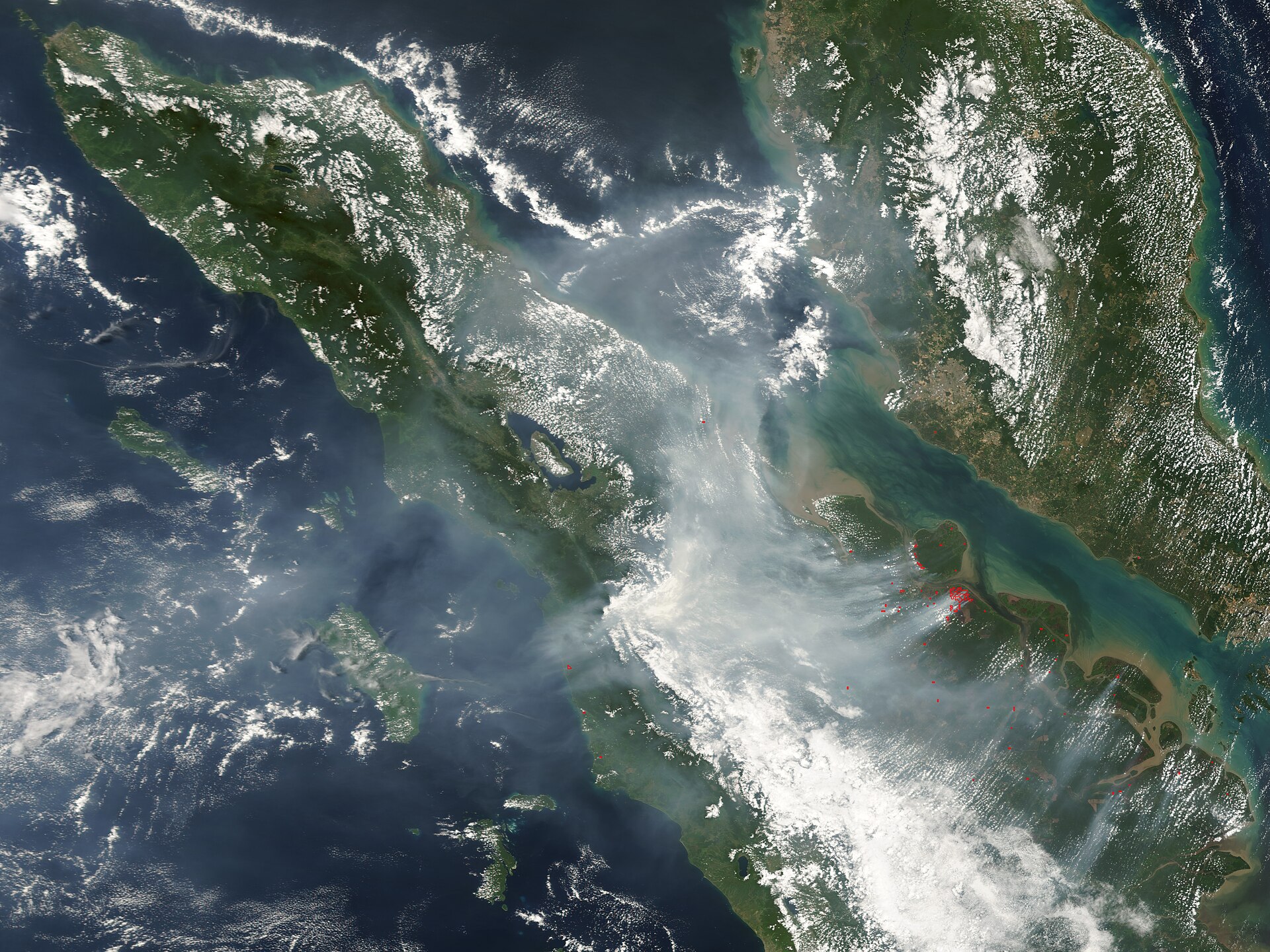
Satellite view of Sumatra and the Malay Peninsula with smoke from fires drifting over the Strait of Malacca
Sumatra. Photo: NASA image created by Jesse Allen, Earth Observatory, using data courtesy of the… / Wikimedia Commons, Public domain
Notable fact
Home to Lake Toba, the world’s largest volcanic crater lake

Sumatra ranks sixth, with an area of 472,784 square kilometres. The island is also home to Lake Toba, the world’s largest volcanic crater lake, which spans 1,100 square kilometres. The lake is a striking feature within an island that is itself among the ten largest on Earth, linking Sumatra’s place in the ranking with a notable landscape on the island.

5. Baffin Island

507,451 square kilometres Area
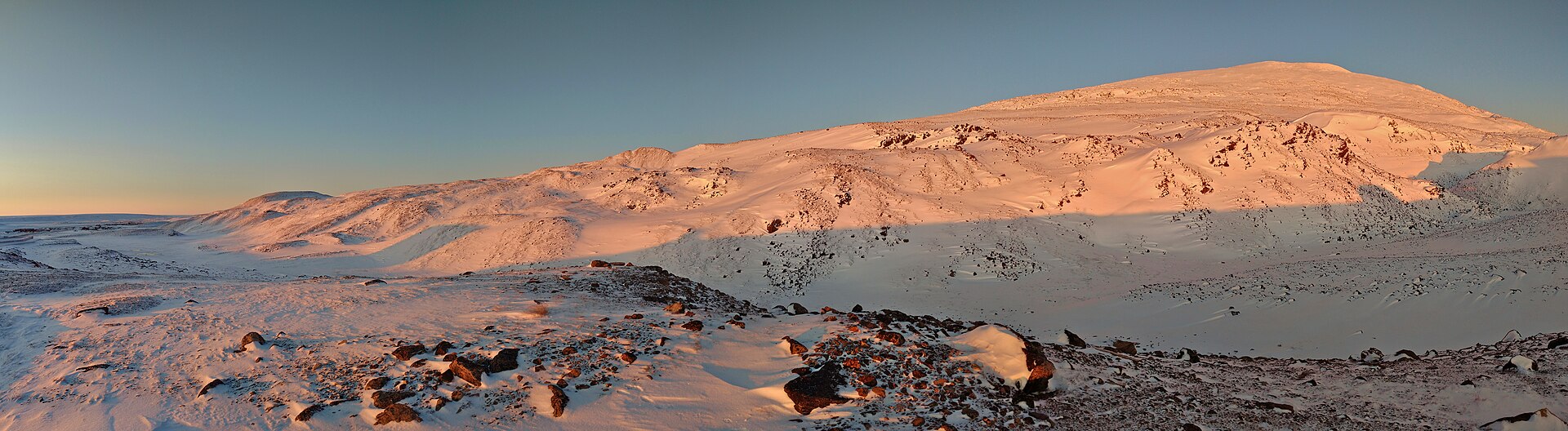
Snow-covered Nuluujaak Mountain glowing pink in sunset light above a rocky, snowy tundra on Baffin Island
Baffin Island. Photo: The Cosmonaut / Wikimedia Commons, CC BY-SA 2.5 ca
Notable fact
Canada’s largest island

Baffin Island has 507,451 square kilometres of land and occupies fifth place in the ranking. It is also Canada’s largest island. The national distinction and the global rank describe two different comparisons: Baffin Island leads among Canadian islands and sits halfway down this list of the world’s ten largest.

4. Madagascar

587,713 square kilometres Area
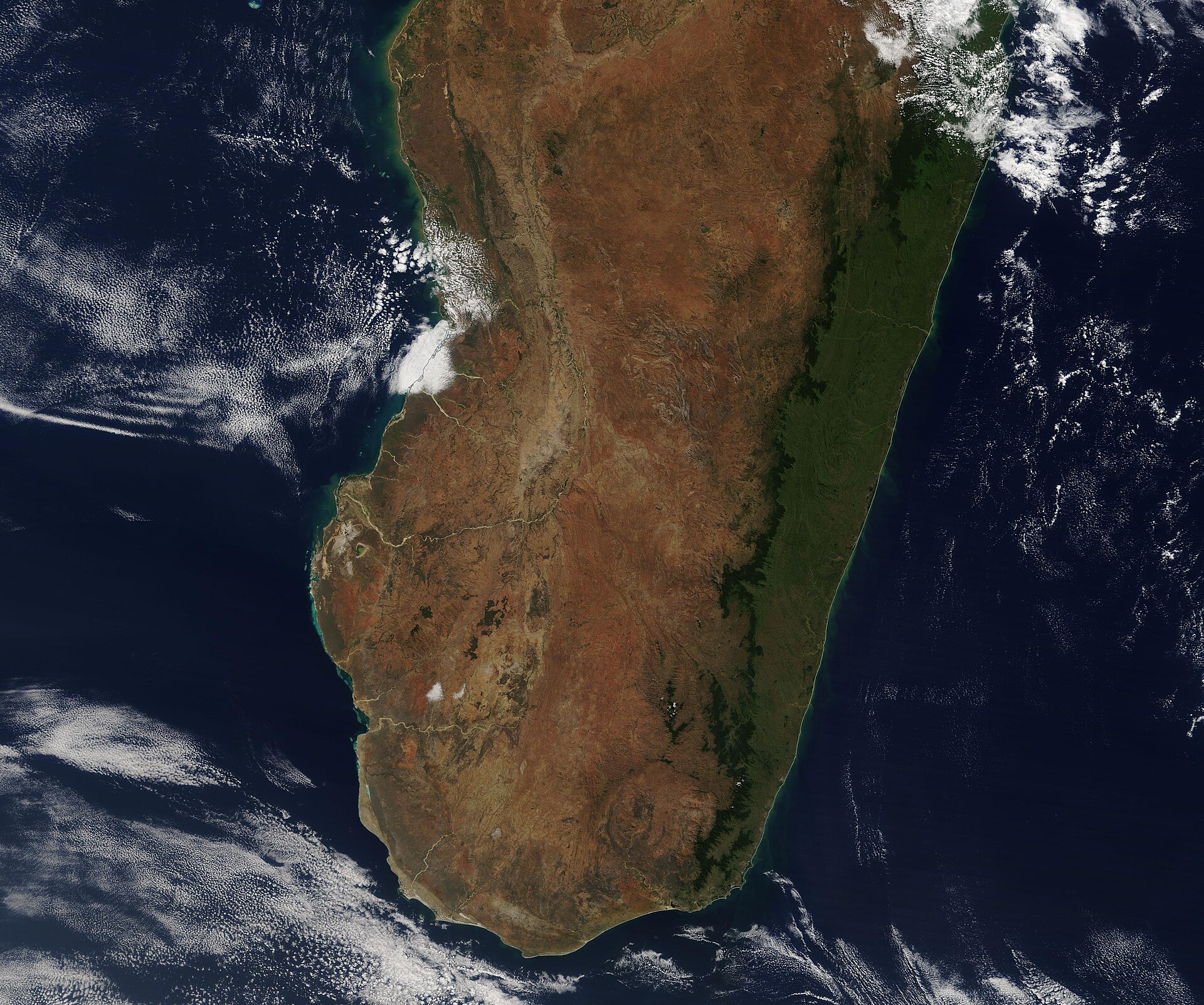
Satellite view of Madagascar showing the island's reddish interior, green eastern coast and surrounding Indian Ocean with
Madagascar. Photo: MODIS Land Rapid Response Team, NASA GSFC / Wikimedia Commons, Public domain
Notable fact
About 92 per cent of its mammal species exist nowhere else on Earth

Madagascar ranks fourth, covering 587,713 square kilometres. About 92 per cent of its mammal species exist nowhere else on Earth. Species found nowhere else are known as endemic. The area earns Madagascar its place among the largest islands, while the figure on its wildlife gives another measure of how distinctive the island is.

3. Borneo

751,929 square kilometres Area
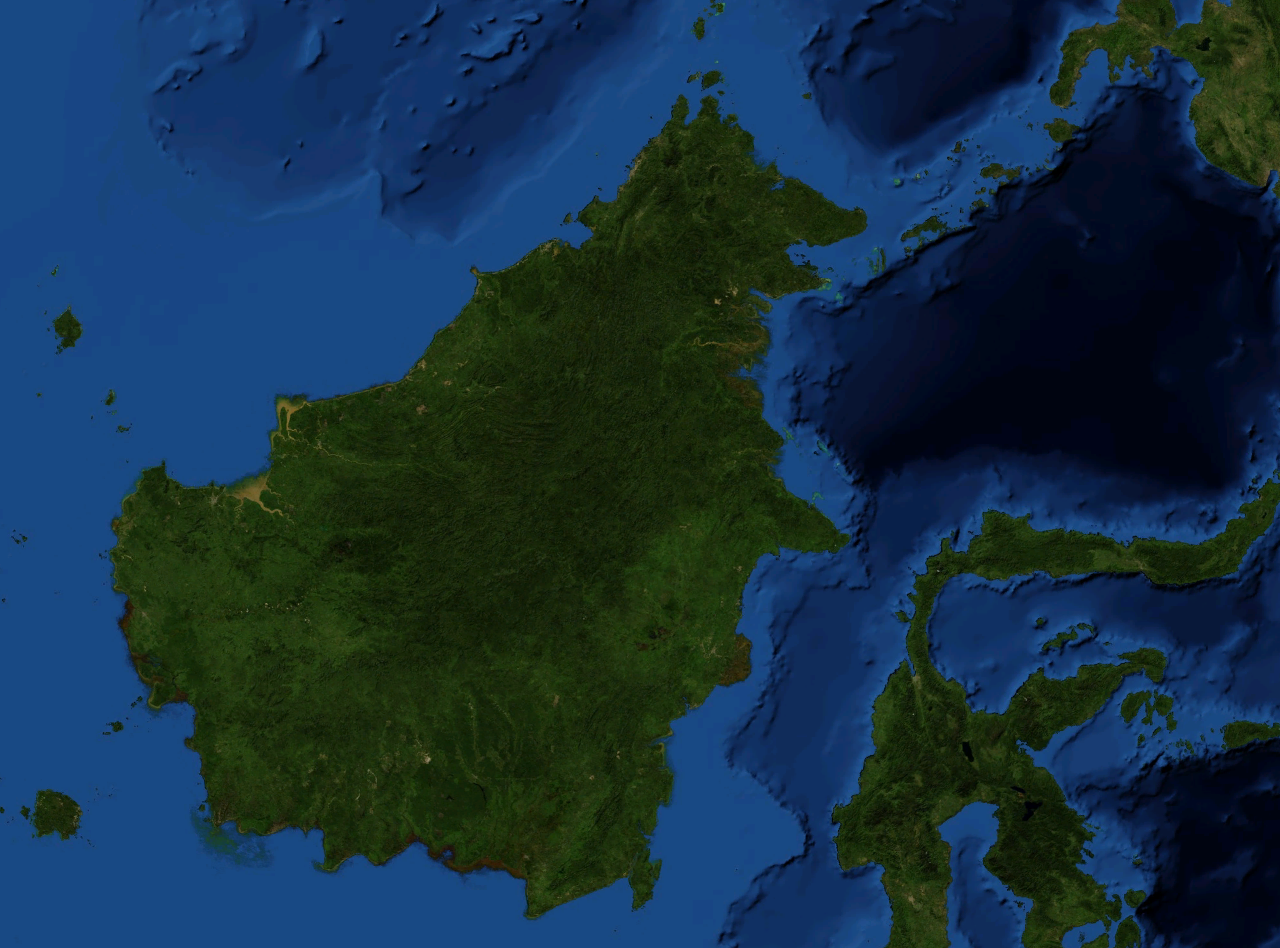
Satellite view of Borneo, a large forested island surrounded by blue sea, with part of Sulawesi to the southeast.
Borneo. Photo: B kimmel / Wikimedia Commons, CC BY-SA 4.0
Notable fact
The Bornean orangutan is found only on Borneo

Borneo is the third-largest island in the ranking, with an area of 751,929 square kilometres. It is also the only place where the Bornean orangutan is found. Its island-wide area and this unique wildlife fact make Borneo notable for more than its size alone.

2. New Guinea

785,753 square kilometres Area
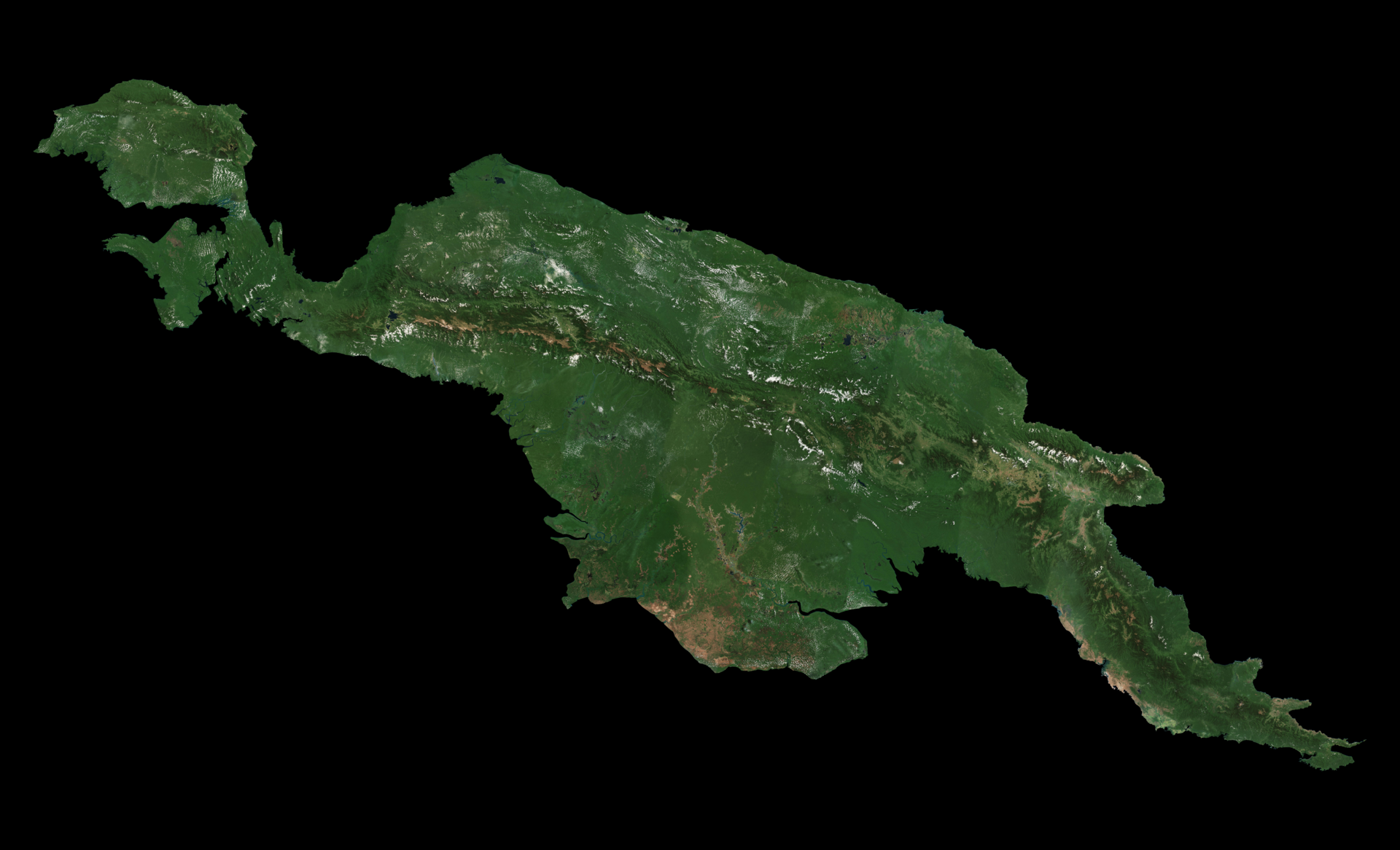
Satellite view of the island of New Guinea, green and forested with a central mountain spine, set against a black background
New Guinea. Photo: SaltedSturgeon / Wikimedia Commons, CC BY-SA 4.0
Notable fact
Puncak Jaya is the world’s highest island peak, at 4,884 metres

New Guinea ranks second, with 785,753 square kilometres. It is also home to Puncak Jaya, which rises to 4,884 metres and is the world’s highest island peak. The ranking measures the area of the whole island; the peak’s height is a separate record. Together, the two figures show New Guinea’s scale across both land area and elevation.

And the largest island in the world, by a very wide margin, is…

1. Greenland

2,166,086 square kilometres Area
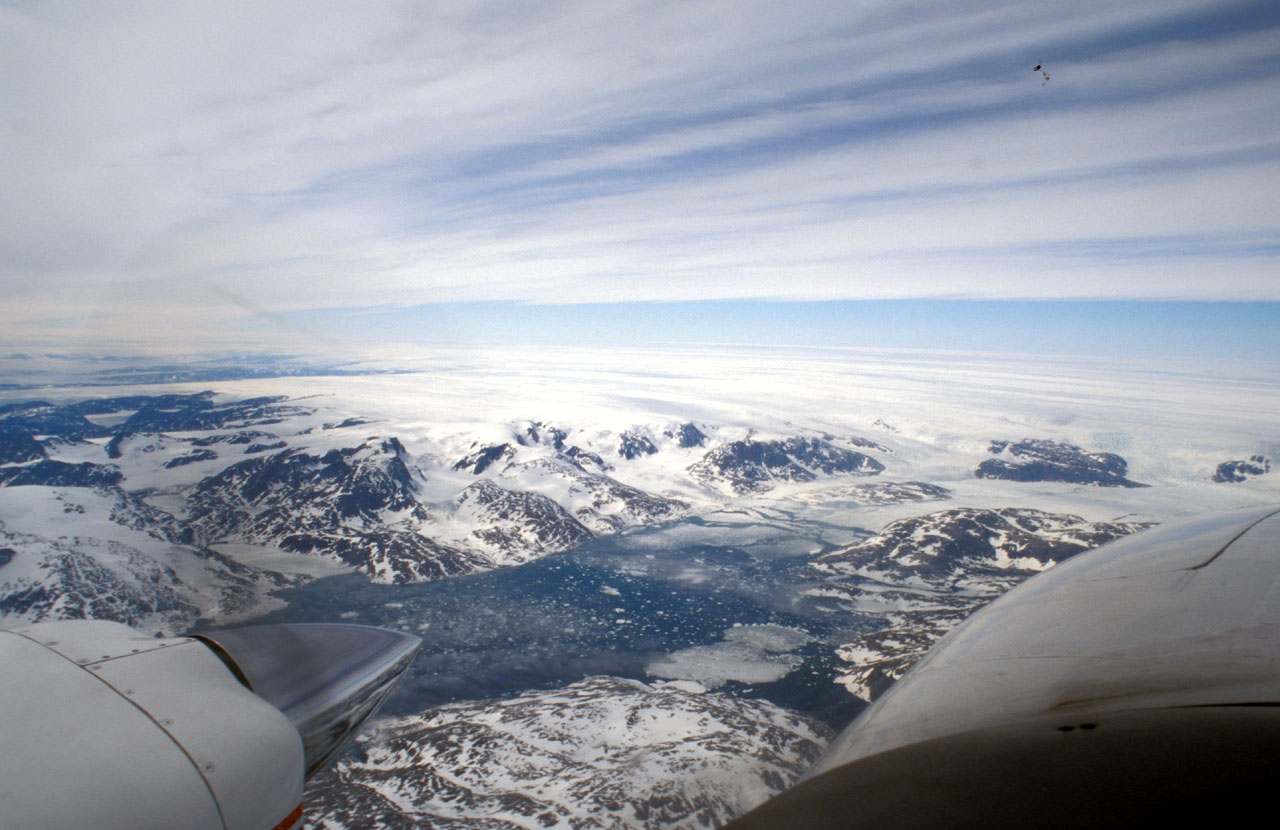
Aerial view of Greenland's east coast with snow-covered mountains, a fjord full of floating ice and the ice sheet beyond.
Greenland. Photo: Wikimedia Commons, CC BY-SA 3.0
Notable fact
The Greenland Ice Sheet covers about 80 per cent of the island

Greenland ranks first, with 2,166,086 square kilometres of land. About 80 per cent of the island is covered by the Greenland Ice Sheet, an area of 1.7 million square kilometres. The ice sheet therefore covers most of Greenland, while the island’s total area makes it the clear leader in this ranking.

The Full Ranking

The complete order runs from Greenland, with 2,166,086 square kilometres, to Ellesmere Island, with 196,236 square kilometres. New Guinea is second at 785,753 square kilometres.

RankIslandArea (square kilometres)
1Greenland2,166,086
2New Guinea785,753
3Borneo751,929
4Madagascar587,713
5Baffin Island507,451
6Sumatra472,784
7Honshu227,963
8Victoria Island217,291
9Great Britain209,331
10Ellesmere Island196,236

Key facts

Largest island
Greenland, at 2,166,086 square kilometres
Second largest
New Guinea, at 785,753 square kilometres
Smallest island in the top ten
Ellesmere Island, at 196,236 square kilometres
Greenland Ice Sheet
Covers about 80 per cent of Greenland, or 1.7 million square kilometres
Madagascar’s mammals
About 92 per cent of its mammal species exist nowhere else on Earth

Questions people ask

What is the largest island in the world?

Greenland is the largest island, with an area of 2,166,086 square kilometres. Australia is classified as a continent rather than an island.

What are the ten largest islands by area?

In order, they are Greenland, New Guinea, Borneo, Madagascar, Baffin Island, Sumatra, Honshu, Victoria Island, Great Britain and Ellesmere Island.

How much of Greenland is covered by ice?

The Greenland Ice Sheet covers about 80 per cent of the island, an area of 1.7 million square kilometres.

Which is the largest island in Canada?

Baffin Island is Canada’s largest island. It ranks fifth in the global list, with 507,451 square kilometres.

Sources

  1. World — CIA World Factbook 2021 (archived data) · thefactbook.org
  2. Island — National Geographic Society · education.nationalgeographic.org
  3. ARC 400: General Information, Northern Canada — Canadian Hydrographic Service · waves-vagues.dfo-mpo.gc.ca
  4. Great Britain — Cambridge University Press excerpt · assets.cambridge.org
  5. Vascular plants of Victoria Island — peer-reviewed study · pmc.ncbi.nlm.nih.gov
  6. Information about the Japanese Territory — Ministry of Foreign Affairs of Japan · mofa.go.jp
  7. Toba Caldera UNESCO Global Geopark — UNESCO · unesco.org
  8. Aerial abundance estimates, barren-ground caribou, Baffin Island — Government of Nunavut · gov.nu.ca

More in Wow Facts

All 75 articles

The Top 10 Deepest Lakes in the World by Maximum Depth

This countdown ranks the 10 deepest lakes in the world by maximum depth, the distance down to each lake's deepest point, using the National Park Service's 2017 comparison in metres. The deepest lake on the list is nearly three times as deep as number 10, which reaches 590 metres. Only one lake passes 1,500 metres, and it is revealed at the end.

Perseverance Finds Three Ancient Water Episodes in Mars Rocks

Perseverance found evidence that Jezero crater’s Margin Unit was altered by at least three episodes of water. The clues include carbonate in fractures, silica in pores and a mineral vein containing calcium sulphate and fluorite.

How the Bombardier Beetle Fires a 100°C Chemical Spray

A 1969 study measured the defensive spray of Brachinus bombardier beetles at 100°C; the African species Stenaptinus insignis fires in rapid pulses. Bombardier beetles produce the spray by bringing stored chemicals into a chamber where enzymes trigger a reaction.

8 Surprising Facts About Venus, Earth's Hot Twin

Venus takes about 243 Earth days to rotate once, longer than its roughly 225-Earth-day orbit around the Sun. Its retrograde rotation means the Sun rises in the west, and a solar day lasts about 117 Earth days.