Skip to content

The Top 10 Deepest Lakes in the World by Maximum Depth

This countdown ranks the 10 deepest lakes in the world by maximum depth, the distance down to each lake's deepest point, using the National Park Service's 2017 comparison in metres. The deepest lake on the list is nearly three times as deep as number 10, which reaches 590 metres. Only one lake passes 1,500 metres, and it is revealed at the end.

Wide lake under a cloudy blue sky with forested hills on the far shore and a few swimmers floating on a tube in the water
Image: Reswaaaa / Wikimedia Commons, CC BY-SA 4.0

A lake’s maximum depth is the distance down to its deepest point, not an average across the whole lake. The ranking below follows the National Park Service’s 2017 comparison table, which lists the lakes in metres.

How This List Is Ranked

USGS scientists surveyed Crater Lake’s floor in 2000 to create a bathymetric map, meaning a map of underwater depths.

The National Park Service comparison ranks the ten lakes below by maximum depth, measured in metres, and lists them in ranks 1 through 10. It places Lake Baikal first and Lake Matano tenth.

10. Lake Matano

590 metres Maximum depth
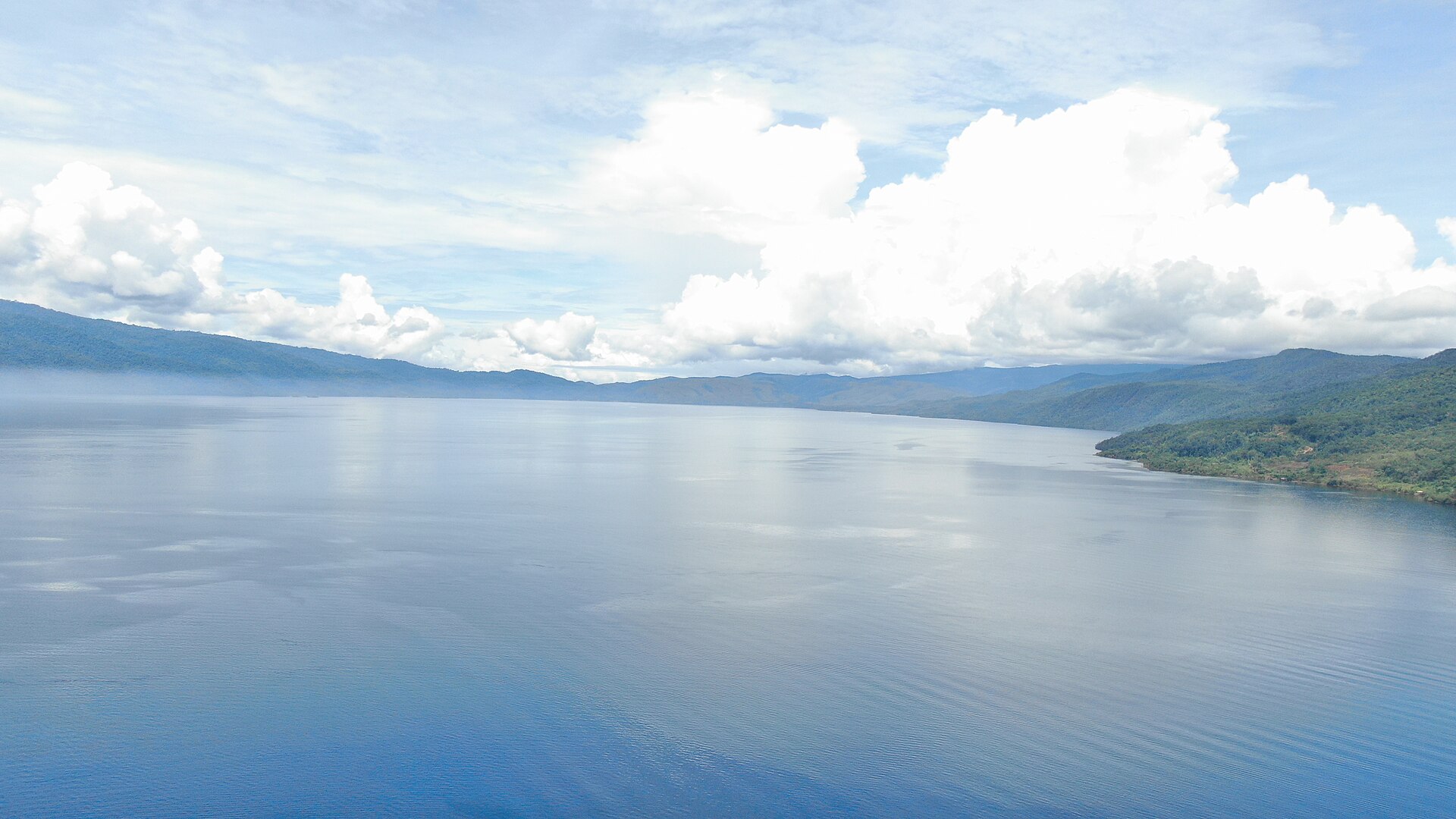
Aerial view of a wide, calm blue lake with forested hills along the shore under a sky of large white clouds
Lake Matano. Photo: Mjal29 / Wikimedia Commons, CC BY-SA 4.0
Location
Indonesia
Notable feature
A steep-sided graben lake estimated to be 1–4 million years old

Lake Matano is tenth in the comparison, with a maximum depth of 590 metres. It is in Indonesia and occupies a graben, a basin formed as the land drops between faults. The steep sides and estimated age of 1–4 million years give this lake a distinctive rift-basin setting.

9. Crater Lake

592 metres Maximum depth
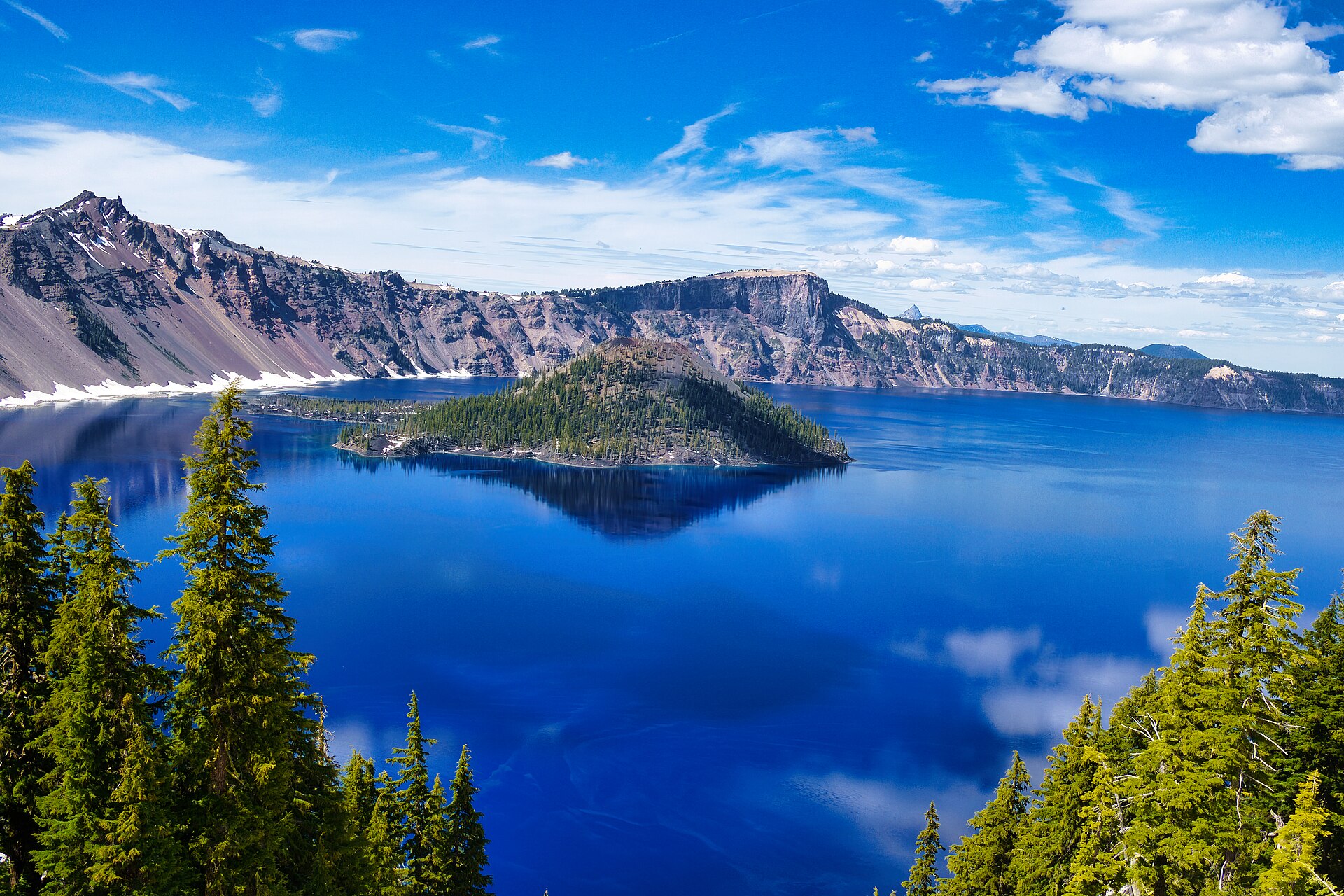
Deep blue Crater Lake with forested Wizard Island in the center, ringed by steep caldera cliffs and framed by evergreen
Crater Lake. Photo: John Manard / Wikimedia Commons, CC BY-SA 2.0
Location
Oregon, United States
Notable feature
An 1886 expedition made 168 depth soundings using a lead weight and piano wire

Crater Lake ranks ninth at 592 metres deep. An expedition by the US Geological Survey measured its depth in 1886, making 168 soundings with a lead weight attached to piano wire. Each sounding provided a reading of the lake floor below the measuring point.

8. Great Slave Lake

614 metres Maximum depth
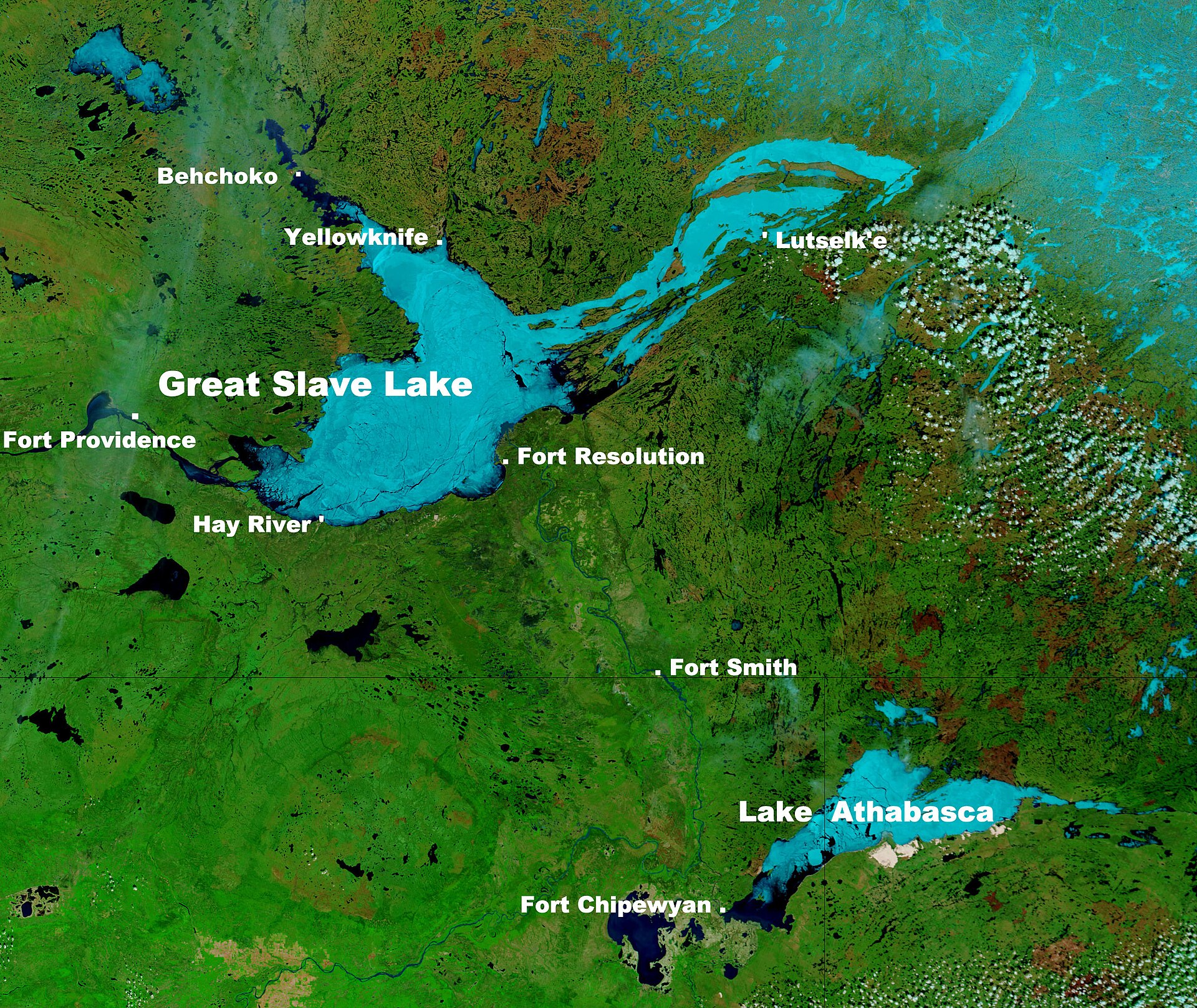
Satellite view of northern Canada with Great Slave Lake, mostly ice-covered, and Lake Athabasca to the southeast, with
Great Slave Lake. Photo: Jacques Descloitres, MODIS Land Rapid Response Team, NASA/GSFC / Wikimedia Commons, Public domain
Location
Canada’s Northwest Territories
Notable feature
Its deepest point lies in Christie Bay

Great Slave Lake is eighth in the ranking, reaching 614 metres at its deepest point. The lake is in Canada’s Northwest Territories, and its deepest water lies in Christie Bay, part of the East Arm. That point makes it deeper than Crater Lake and Lake Matano in this comparison.

7. Issyk-Kul

668 metres Maximum depth
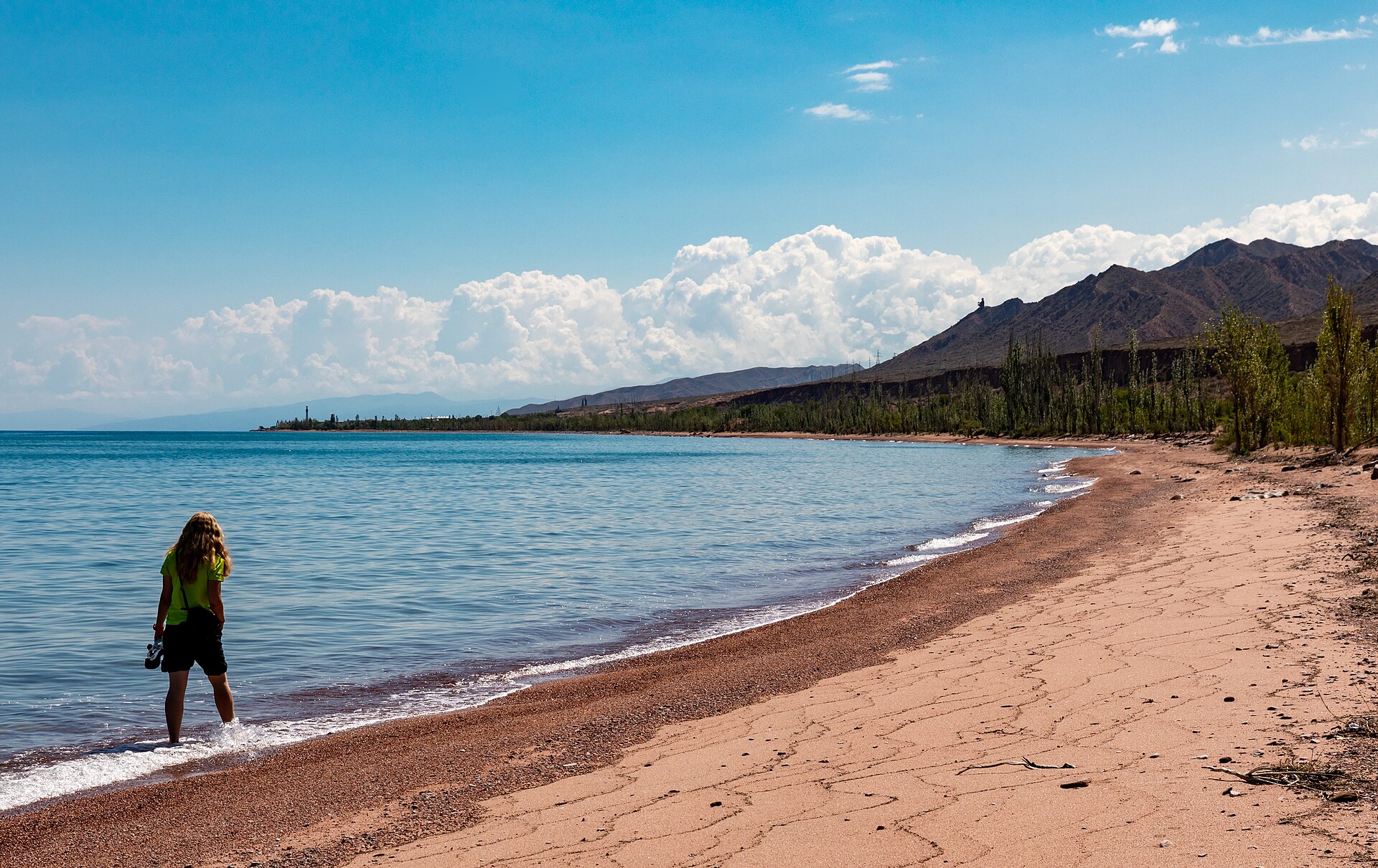
A person wades along the sandy shore of a wide blue lake, with mountains and poplar trees beyond under a partly cloudy sky
Issyk-Kul. Photo: Ninara from Helsinki, Finland / Wikimedia Commons, CC BY 2.0
Location
Kyrgyzstan, in the Tian Shan mountain region
Notable feature
It does not freeze in winter

Issyk-Kul ranks seventh at 668 metres deep. The lake lies in Kyrgyzstan’s Tian Shan mountain region, yet it does not freeze in winter. UNESCO attributes this to a combination of the lake’s depth, low salinity and warm springs.

6. Lake Malawi

706 metres Maximum depth
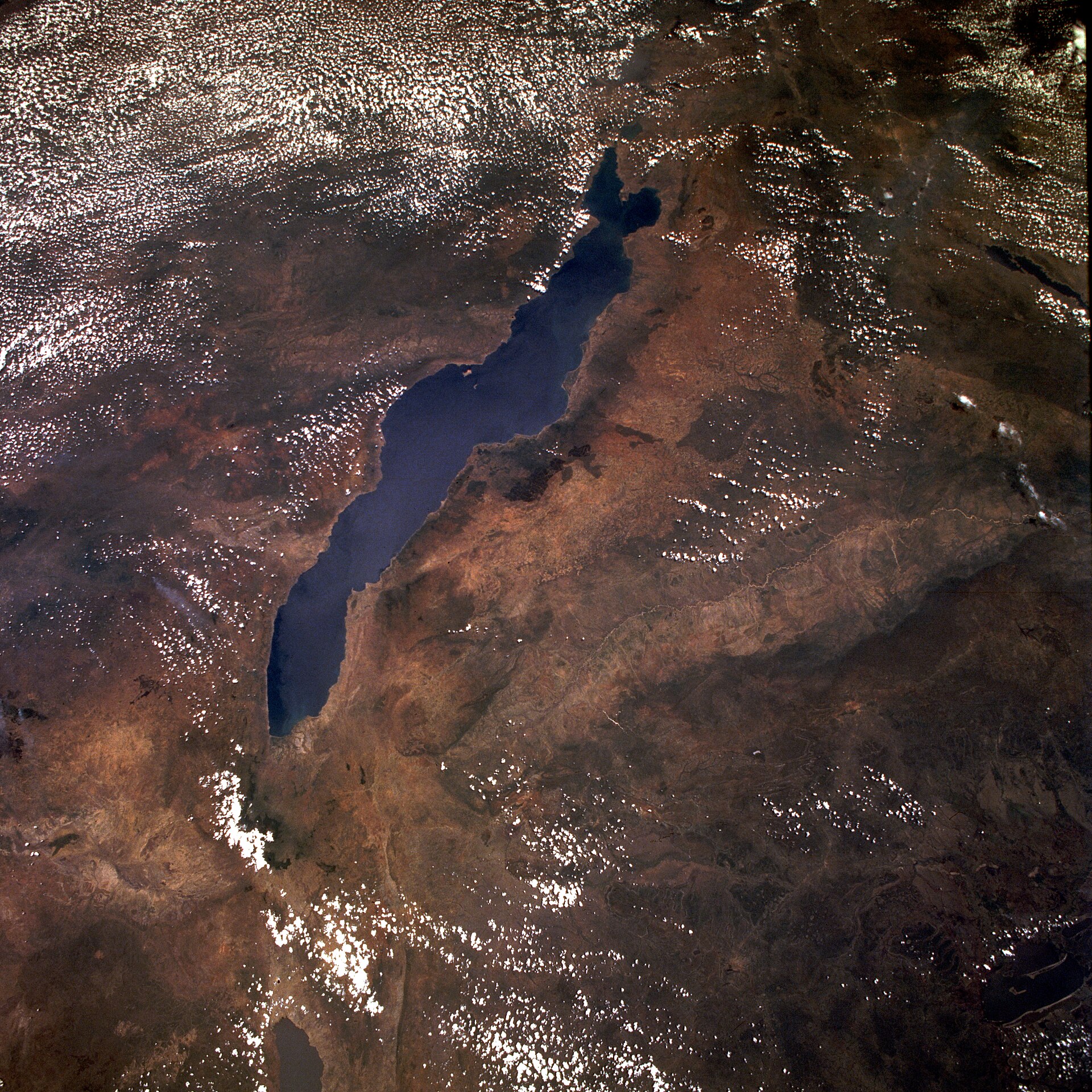
Satellite view from orbit of Lake Malawi, a long dark blue lake in the East African Rift surrounded by brown land and clouds
Lake Malawi. Photo: NASA Hubble Space Telescope / Wikimedia Commons, Public domain
Location
The Western Rift Valley in East Africa
Notable feature
More than 350 mbuna species are represented in the park, and all but five are endemic to the lake

Lake Malawi is sixth, with a maximum depth of 706 metres. It lies in the Western Rift Valley in East Africa. Its mbuna fish are especially distinctive: more than 350 species are represented in the park, and all but five are endemic to Lake Malawi, meaning they are native to that lake alone.

5. O’Higgins–San Martín Lake

836 metres Maximum depth
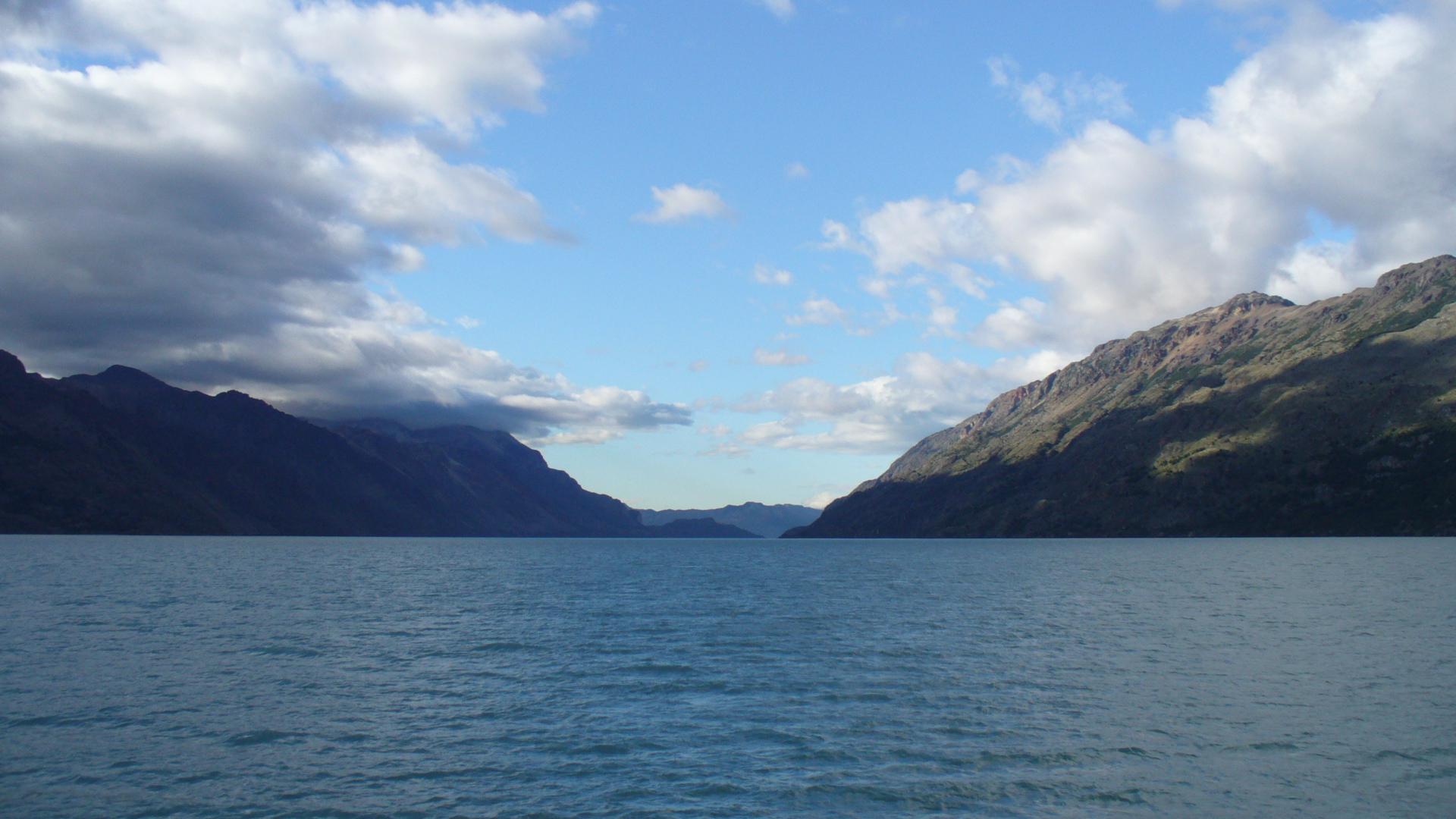
Wide blue lake framed by dark mountain slopes on both sides under a partly cloudy sky
O’Higgins–San Martín Lake. Photo: betoscopio / Wikimedia Commons, CC BY-SA 2.0
Location
Patagonia, between Chile and Argentina
Notable feature
It has a different name on each side of the border

O’Higgins–San Martín Lake ranks fifth at 836 metres deep. The lake lies in Patagonia on the border between Chile and Argentina. It is called Lago O’Higgins in Chile and Lago San Martín in Argentina, so the name used depends on which side of the border is being referred to.

4. Lake Vostok

At least 900 metres Maximum depth
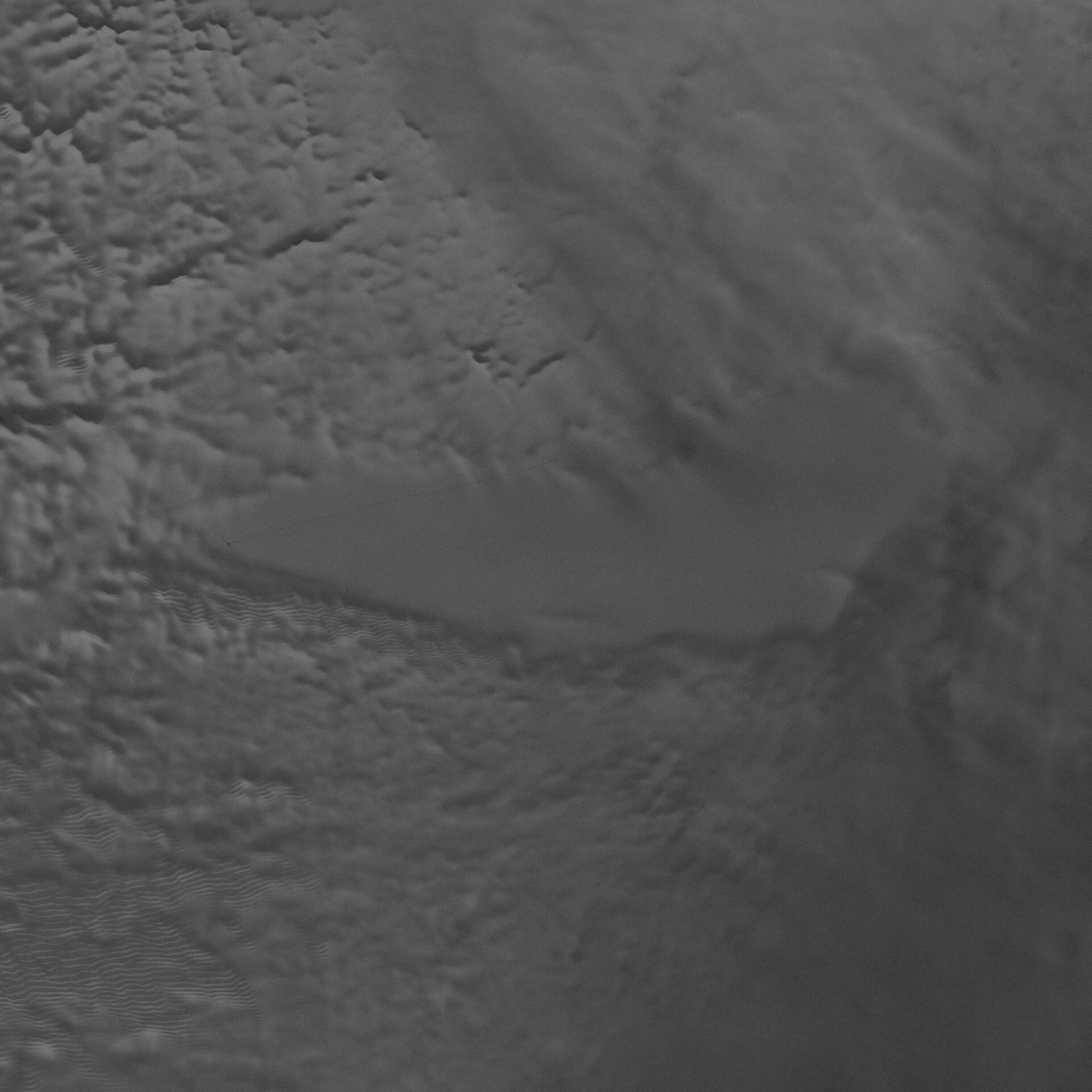
Grayscale radar satellite view of Antarctica's ice sheet with the smooth, flat expanse of Lake Vostok amid textured ice
Lake Vostok. Photo: NASA/Goddard Space Flight Center Scientific Visualization Studio. Additional cre… / Wikimedia Commons, Public domain
Location
Antarctica
Notable feature
A freshwater lake beneath about 4 kilometres of ice

Lake Vostok is fourth in the ranking, with a listed depth of at least 900 metres. Unlike the other lakes here, it is covered by about 4 kilometres of Antarctic ice. It is a freshwater subglacial lake: a body of water beneath a glacier or ice sheet.

3. Caspian Sea

1,025 metres Maximum depth
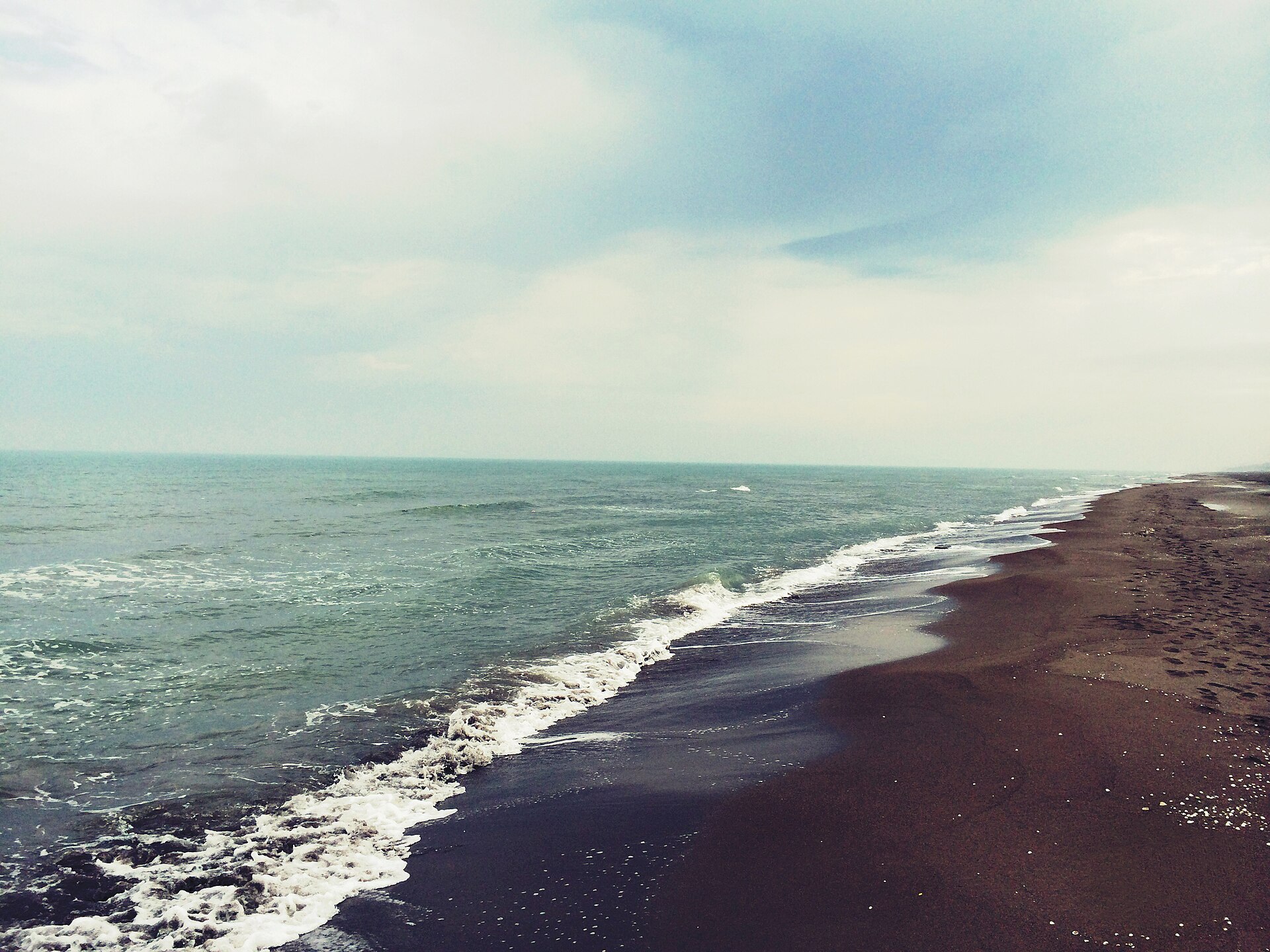
Waves washing onto a dark sand beach beside a greenish-gray sea under a cloudy sky on the Caspian coast
Caspian Sea. Photo: Sasan Geranmehr / Wikimedia Commons, CC BY 3.0
Location
Landlocked
Notable feature
Its northern basin is shallow, while its deepest point is in the south

The Caspian Sea ranks third at 1,025 metres deep. Despite its name, it is a landlocked salt lake with no natural outlet to the world ocean. Its depth varies sharply: two-thirds of the northern basin is less than 5 metres deep, while the deepest point lies in the southern basin.

2. Lake Tanganyika

1,471 metres Maximum depth
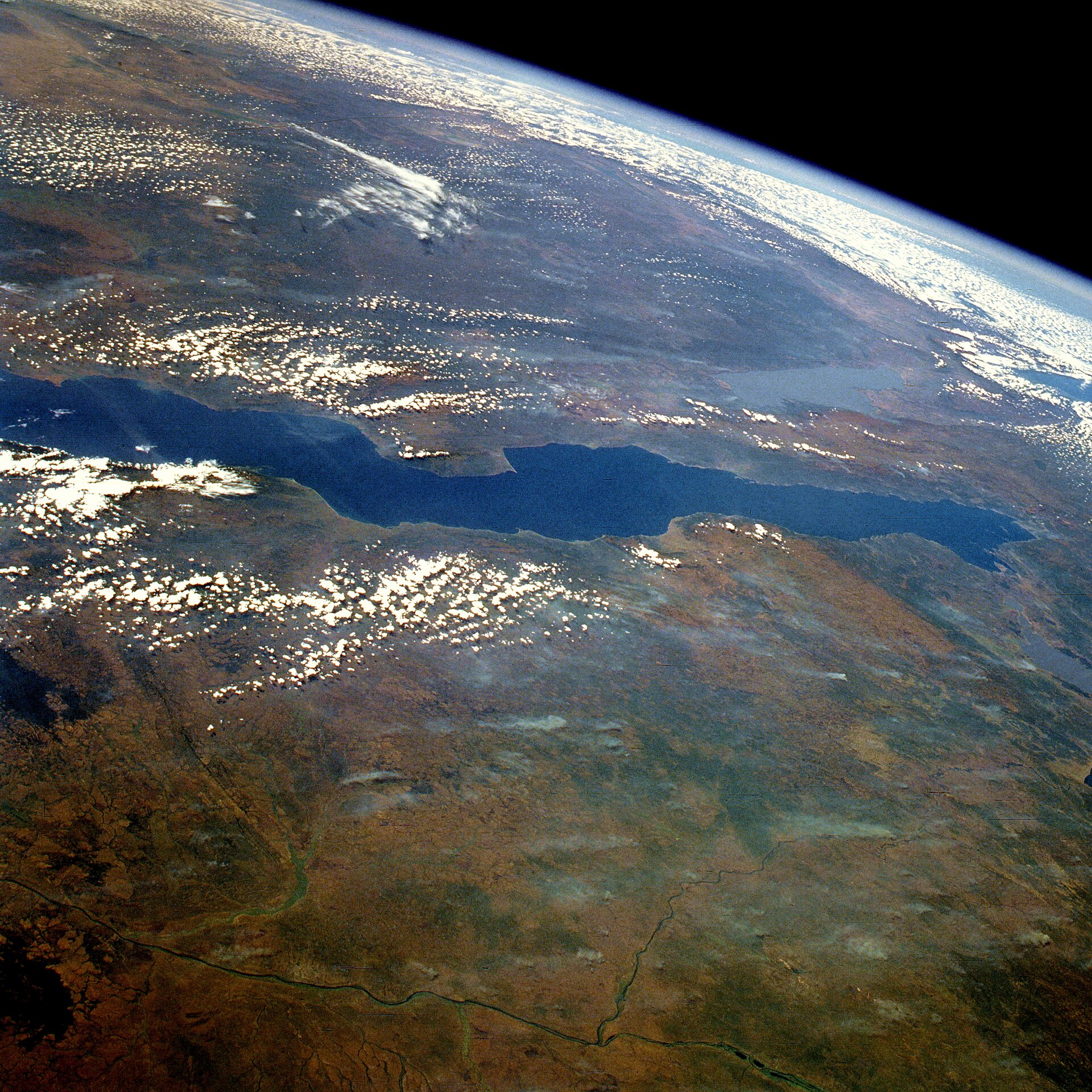
View from orbit of long, narrow Lake Tanganyika in deep blue, surrounded by brown African land, scattered clouds and Earth's
Lake Tanganyika. Photo: NASA / Wikimedia Commons, Public domain
Location
Tanzania, the Democratic Republic of the Congo, Burundi and Zambia
Notable feature
The world’s longest freshwater lake, extending about 670 kilometres from north to south

Lake Tanganyika is the second-deepest lake, reaching 1,471 metres. The lake stretches about 670 kilometres from north to south. That makes it the world’s longest freshwater lake.

And the deepest lake in the world is…

1. Lake Baikal

1,637 metres Maximum depth
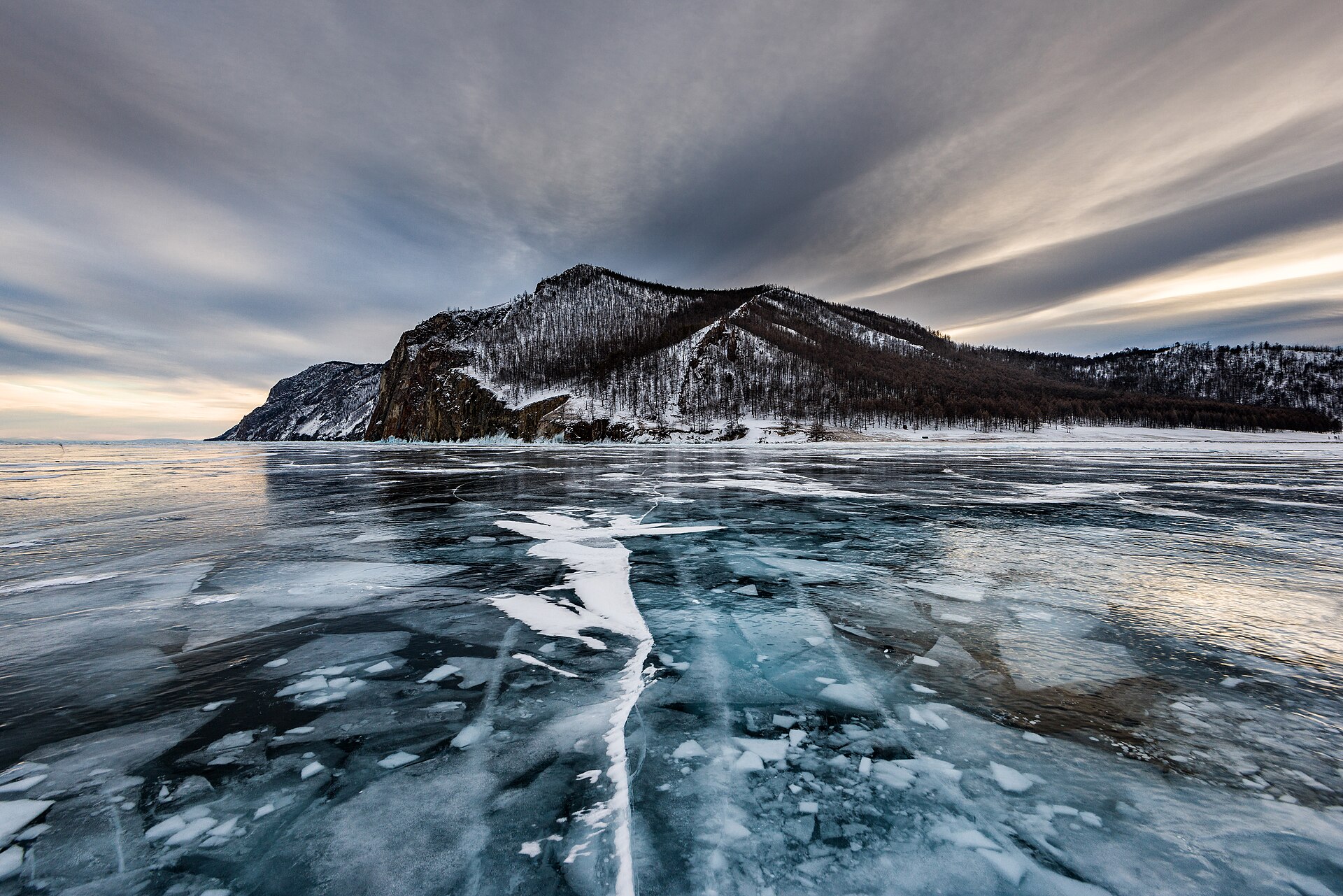
Cracked blue ice covers frozen Lake Baikal in front of a snowy, tree-covered rocky headland under streaky evening clouds.
Lake Baikal. Photo: Sergey Pesterev / Wikimedia Commons, CC BY-SA 4.0
Location
South-east Siberia, Russia
Notable feature
Contains nearly 20% of the world’s unfrozen freshwater reserve

Lake Baikal ranks first, with a maximum depth of 1,637 metres. It lies in south-east Siberia, Russia. Lake Baikal contains nearly 20% of the world’s unfrozen freshwater reserve.

RankLakeMaximum depth
1Lake Baikal1,637 metres
2Lake Tanganyika1,471 metres
3Caspian Sea1,025 metres
4Lake VostokAt least 900 metres
5O’Higgins–San Martín Lake836 metres
6Lake Malawi706 metres
7Issyk-Kul668 metres
8Great Slave Lake614 metres
9Crater Lake592 metres
10Lake Matano590 metres

Key facts

Deepest lake
Lake Baikal, at 1,637 metres
Second-deepest lake
Lake Tanganyika, at 1,471 metres
Lake Vostok’s listed depth
at least 900 metres, beneath about 4 kilometres of ice
Longest freshwater lake in the ranking
Lake Tanganyika, about 670 kilometres long from north to south
Lake with nearly 20% of the world’s unfrozen freshwater reserve
Lake Baikal

Questions people ask

What is the deepest lake in the world?

Lake Baikal in south-east Siberia, Russia, is the deepest in this ranking, at 1,637 metres.

How deep is Lake Baikal?

Lake Baikal has a maximum depth of 1,637 metres and contains nearly 20% of the world’s unfrozen freshwater reserve.

Is the Caspian Sea a lake?

The Caspian Sea is a landlocked salt lake with no natural outlet to the world ocean. Its deepest point, in the southern basin, is 1,025 metres.

Which of the deepest lakes lies beneath ice?

Lake Vostok in Antarctica is a freshwater subglacial lake beneath about 4 kilometres of ice. Its listed depth is at least 900 metres.

Which is the longest freshwater lake in the world?

Lake Tanganyika is the world’s longest freshwater lake, extending about 670 kilometres from north to south.

Sources

  1. The World’s Deepest Lakes — Crater Lake National Park, National Park Service · nps.gov
  2. Bathymetry and the Floor of Crater Lake — U.S. Geological Survey · usgs.gov
  3. Speciation patterns and processes in the zooplankton of the ancient lakes of Sulawesi Island, Indonesia — Ecology and Evolution · onlinelibrary.wiley.com
  4. Crater Lake — U.S. Geological Survey · usgs.gov
  5. Water Sources: Lakes — Government of Canada · canada.ca
  6. Thermobaric Processes Both Drive and Constrain Seasonal Ventilation in Deep Great Slave Lake, Canada — Journal of Geophysical Research · agupubs.onlinelibrary.wiley.com
  7. Issyk-Kul — UNESCO Man and the Biosphere Programme · unesco.org
  8. Lake Malawi National Park — UNESCO World Heritage Centre · whc.unesco.org

More in Wow Facts

All 75 articles

Perseverance Finds Three Ancient Water Episodes in Mars Rocks

Perseverance found evidence that Jezero crater’s Margin Unit was altered by at least three episodes of water. The clues include carbonate in fractures, silica in pores and a mineral vein containing calcium sulphate and fluorite.

How the Bombardier Beetle Fires a 100°C Chemical Spray

A 1969 study measured the defensive spray of Brachinus bombardier beetles at 100°C; the African species Stenaptinus insignis fires in rapid pulses. Bombardier beetles produce the spray by bringing stored chemicals into a chamber where enzymes trigger a reaction.

8 Surprising Facts About Venus, Earth's Hot Twin

Venus takes about 243 Earth days to rotate once, longer than its roughly 225-Earth-day orbit around the Sun. Its retrograde rotation means the Sun rises in the west, and a solar day lasts about 117 Earth days.